

Changing a corporate identity can be a complex task. There is often internal resistance and a fear of losing customer recognition. However, a rebrand is rarely just a cosmetic design update. It is a calculated business maneuver. When a company alters a visual identity, it usually signals a deeper structural shift. Let us look at the mechanics of a strategic rebrand using documented corporate transitions.
The Strategy Behind the Visuals
In 2023, Johnson & Johnson replaced its 130-year-old cursive logo with a sans-serif wordmark. This visual update aligned directly with a structural split.
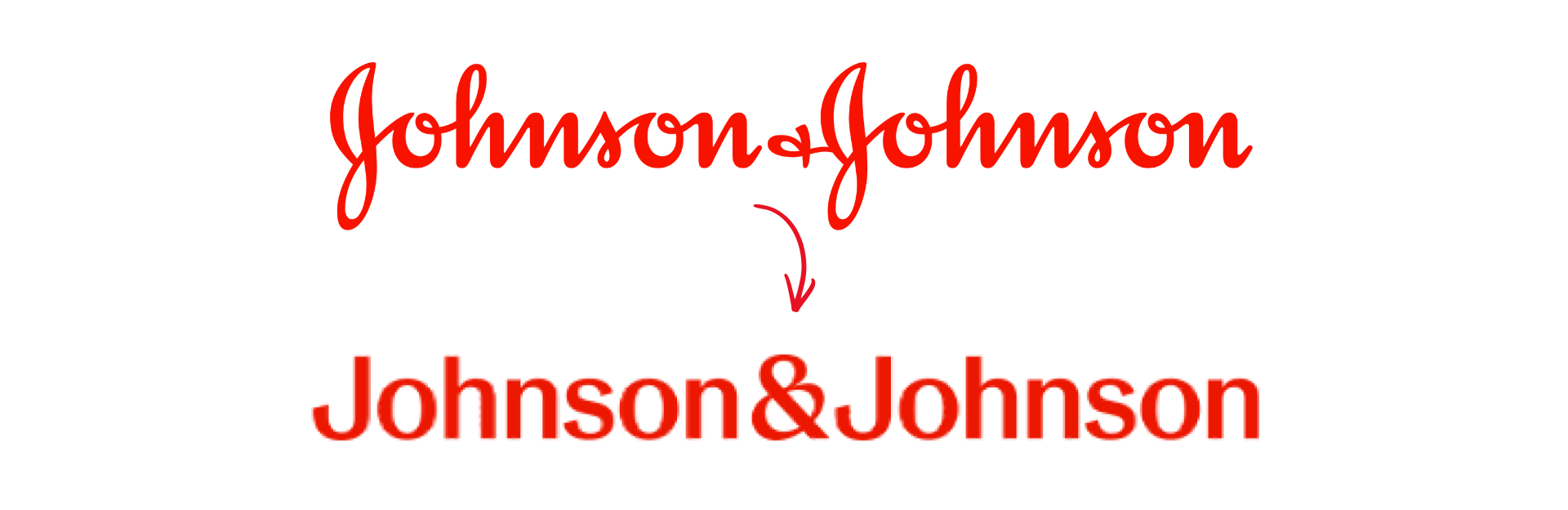
By spinning off their consumer health division into a separate company called Kenvue, the remaining organization focused strictly on higher-margin pharmaceuticals and medical devices. The new, functional logo communicated this B2B focus to investors and healthcare partners. It was a clear signal that the company had shifted its financial model and market position.
Lessons from the Market
Other corporations have utilized rebranding to solve specific business challenges. Here are a few ways a visual and messaging update can correct market alignment:
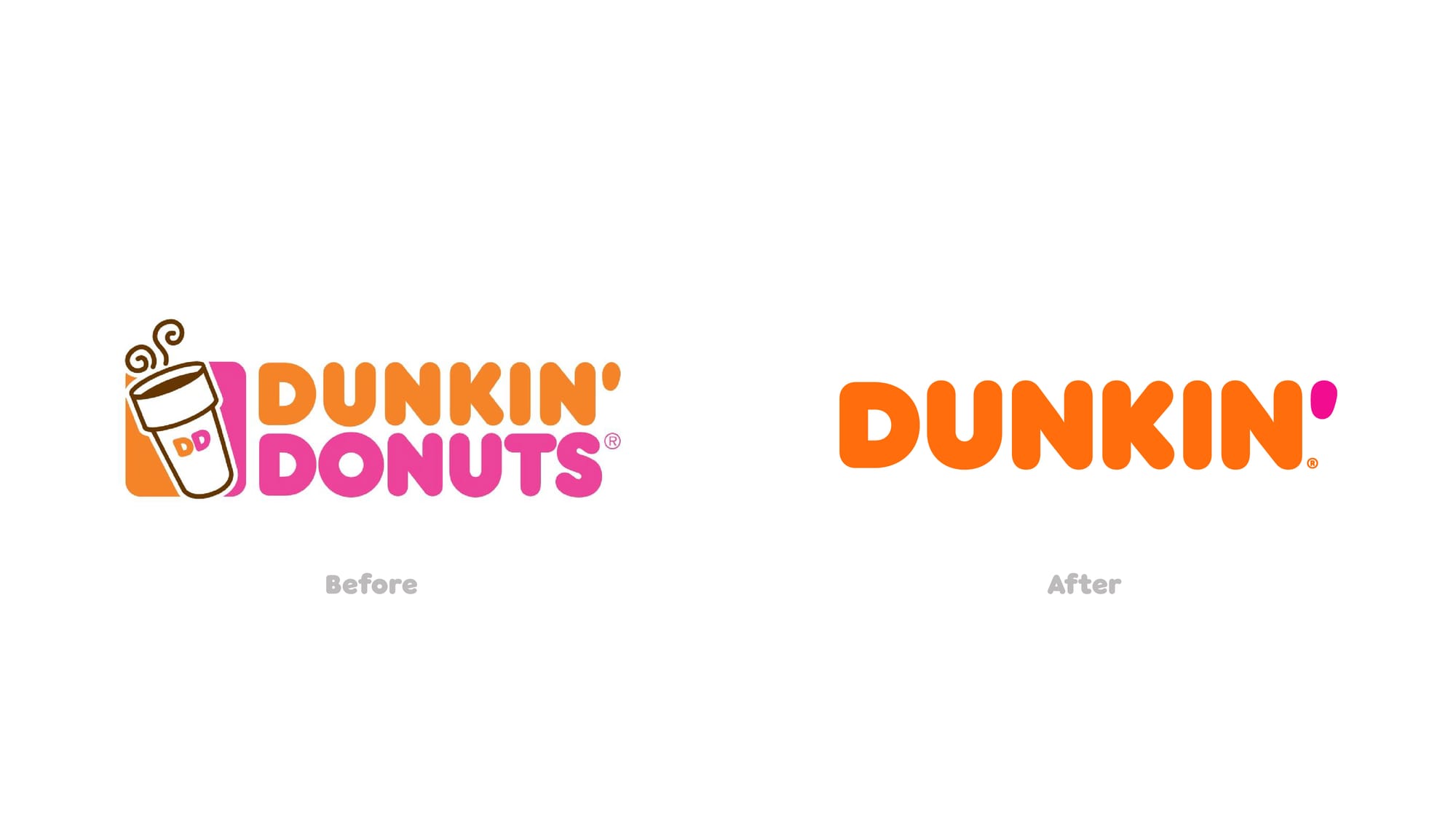
- Aligning with Business Shifts: Dunkin' dropped "Donuts" from its name in 2018. This highlighted their focus on beverage and coffee sales, aligning the brand with current consumer buying habits rather than limiting them to a single pastry item.
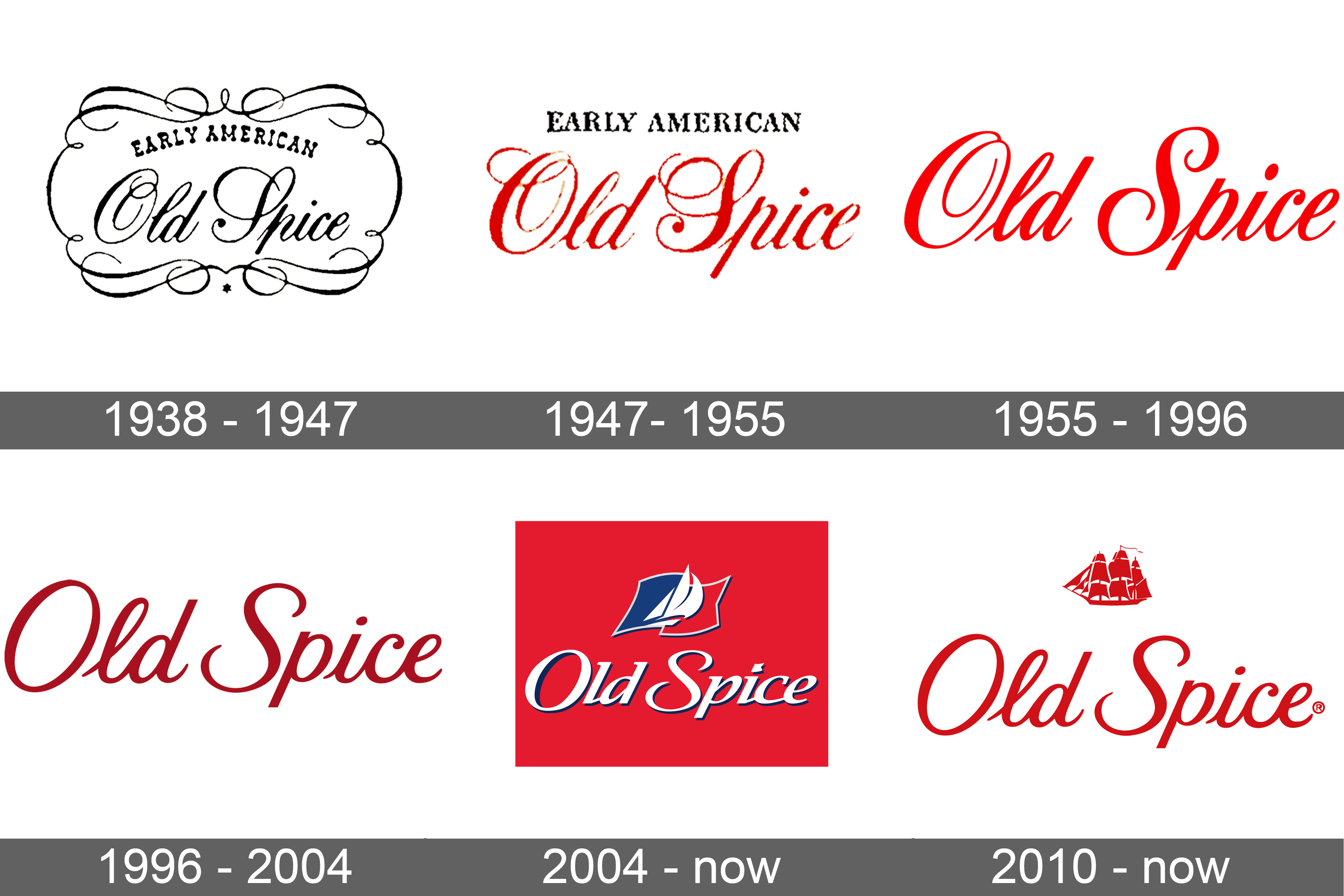
- Targeting the Right Audience: Old Spice updated its marketing and digital presence in 2010 to appeal to a younger demographic. This pivot moved the brand away from an aging customer base and directly improved sales metrics.
- Clarifying the Core Message: Airbnb introduced its updated positioning in 2014, shifting public perception from a budget lodging utility to a community platform.

The 5-Step Guideline for Your Rebrand
If your company is considering a visual update, evaluate these five core areas before hiring a design agency:
Step 1: Audit Your Business Strategy
- Did our product or service offerings change recently?
- Did we undergo a merger, acquisition, or spin-off?
- Has our pricing or market positioning shifted?
Actionable Takeaway: If your business model changed, a rebrand communicates this to the market.
Step 2: Analyze Audience Alignment
- Is our core customer demographic the same as five years ago?
- Are we trying to reach a different market or age group?
- Does our current messaging still resonate with primary buyers?
Actionable Takeaway: If your target audience shifted, your branding needs to pivot to match their preferences.
Step 3: Assess Market Differentiation
- Do our logo and colors look too similar to competitors?
- Are competitors gaining market share because their branding feels current?
- Does our visual identity accurately reflect our unique value proposition?
Actionable Takeaway: If you blend in with the industry, a visual refresh helps carve out a clearer position.
Step 4: Evaluate Brand Equity and Risk
- How much recognition is tied to our current name and logo?
- If we change our visuals, will we confuse our existing customer base?
- Do we have a logical narrative ready to explain the transition?
Actionable Takeaway: Calculate the nostalgia tax. If losing brand recognition outweighs projected gains, consider a minor refresh instead of an overhaul.
Step 5: Review Functional Constraints
- Is our current logo legible on small digital screens?
- Do our brand assets scale properly across modern marketing channels?
- Are there legal or trademark issues restricting our current name?
Actionable Takeaway: If branding functionally limits your digital marketing, a modernized update is required.
A rebrand requires a clear understanding of your current business reality. If your market position or profit focus has changed, your visual identity must reflect that new structure.


Discussion